Native Plant Formulations

Exploring Natural Botanical Sources for Active Living

Fundamentals of Natural Plant Formulations for Active Living

This educational resource explores the natural botanical sources that have been studied in the context of supporting active everyday pursuits and maintaining overall vitality through a scientific, informational lens.

Understanding Natural Botanical Sources

Throughout history, wild alpine regions have yielded diverse plant species rich in various compounds. These botanical sources represent valuable subjects for educational and scientific study. This resource examines how different plant formulations have been traditionally used in various cultures, particularly in alpine regions, where active lifestyles have long been supported by natural resources.

Natural plant formulations contain diverse biochemical compounds—proteins, amino acids, vitamins, minerals, and phytonutrients. Understanding their presence and potential roles in human nutrition and daily wellness practices remains a significant area of scientific investigation.

The following pages provide informational overviews of specific botanical elements, their composition, and their traditional significance in supporting active living practices across different cultures.
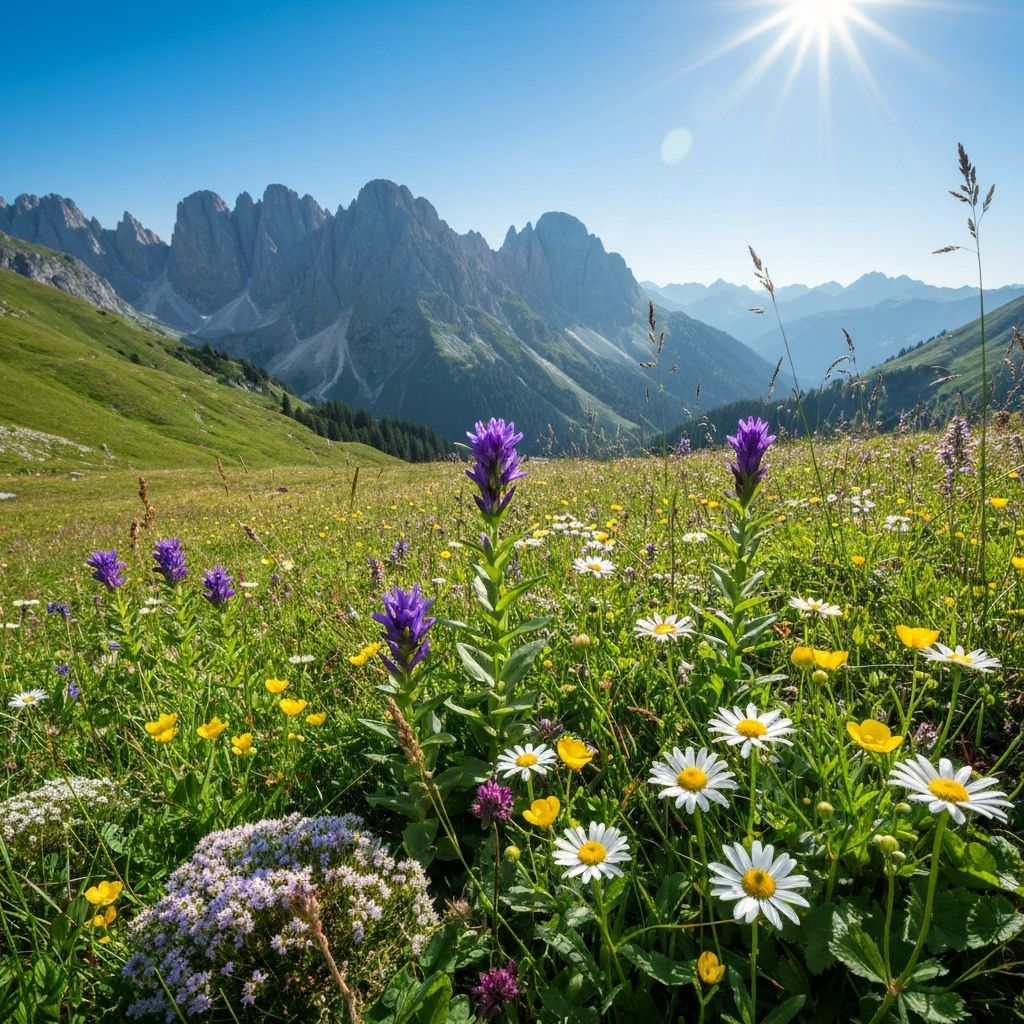
Alpine botanical landscape with wild plants and vegetation

The Role of Native Botanical Elements in Daily Nutrition

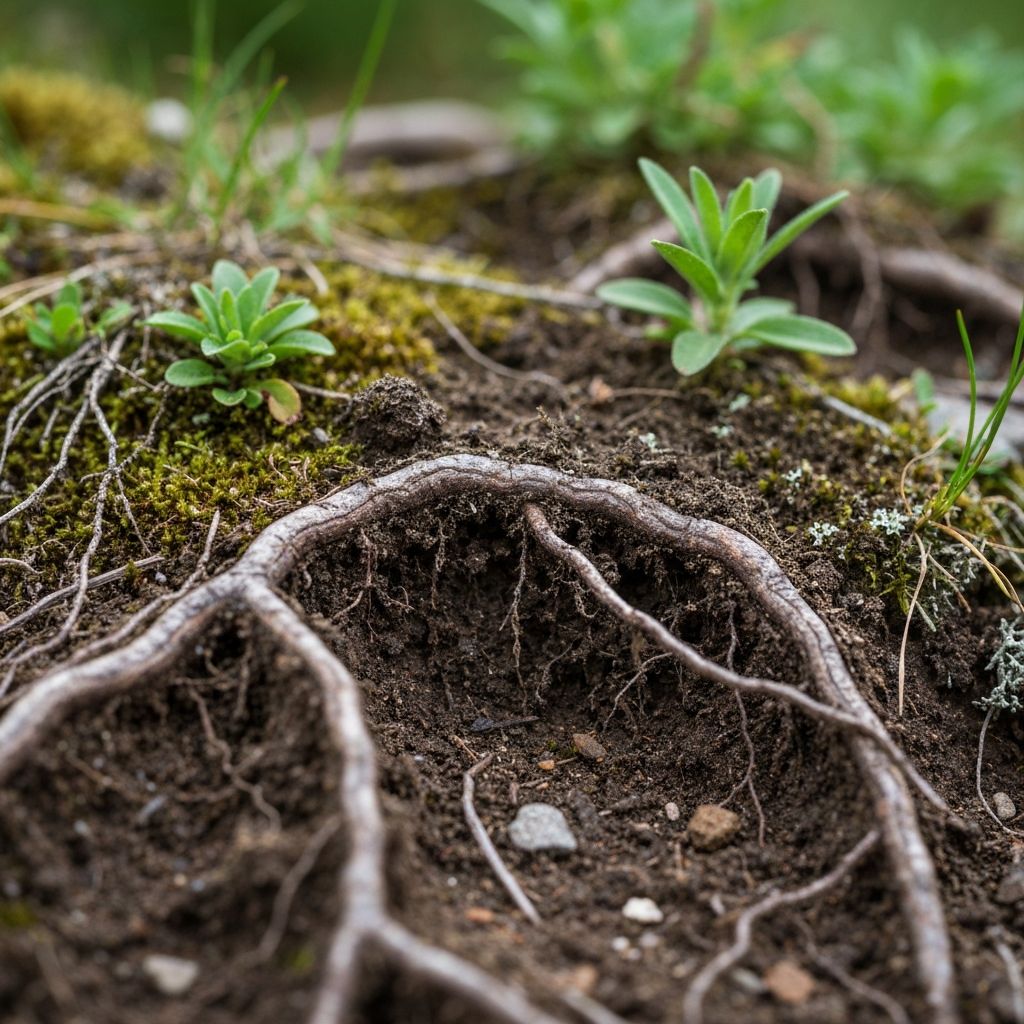
Close-up detail of wild alpine roots and medicinal herbs

Nutritional Components & Daily Health Practices

Natural plant sources contain an array of micronutrients and bioactive compounds. Many traditional cultures have incorporated these elements into their daily nutritional practices, particularly in regions where active outdoor pursuits are integral to lifestyle.

Each botanical element carries distinct nutritional profiles. For individuals maintaining active routines and seeking to support their overall vitality through natural means, understanding these compositions provides valuable context for informed personal wellness choices.

Scientific research continues to examine how specific botanical compounds interact with human physiology, how they are metabolized, and what roles they may play in supporting general health and wellbeing during periods of increased physical activity.

Traditional Use of Wild Alpine Herbs

Alpine Botanical Heritage and Historical Context

Alpine regions of Austria and surrounding areas have a rich tradition of utilizing wild botanical sources. For centuries, these regions' populations have integrated local herbs and plants into their daily lives, both nutritionally and practically.

The alpine environment, with its unique climate and soil composition, produces plants with distinct chemical profiles. Historical documentation shows that inhabitants of these regions developed sophisticated knowledge systems around these botanical resources.

Traditional alpine practices often emphasized balance between physical activity and natural nutritional support. Understanding these historical contexts helps frame modern scientific inquiry into how botanical elements may support contemporary active lifestyles and general wellness.

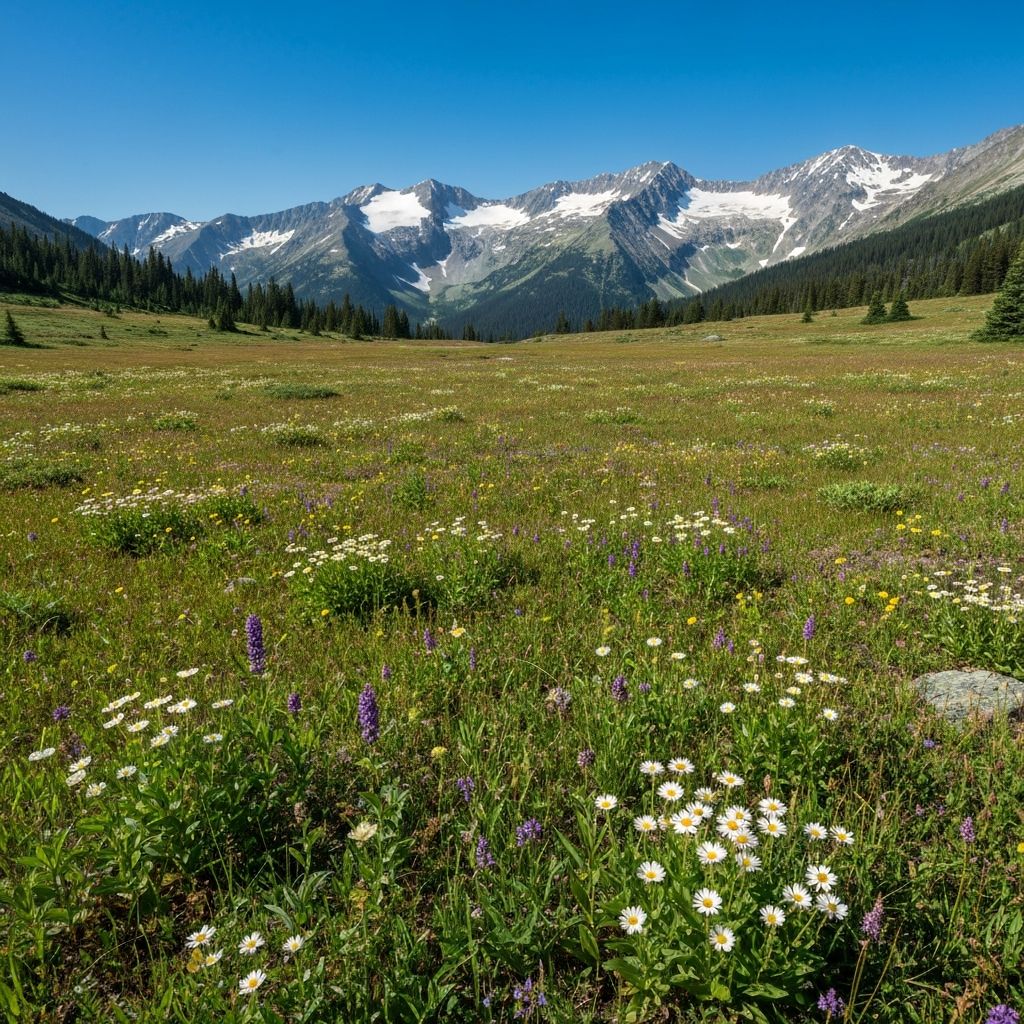
Alpine mountain meadow with wild vegetation and natural landscape

Physical Activity and Natural Nutritional Support

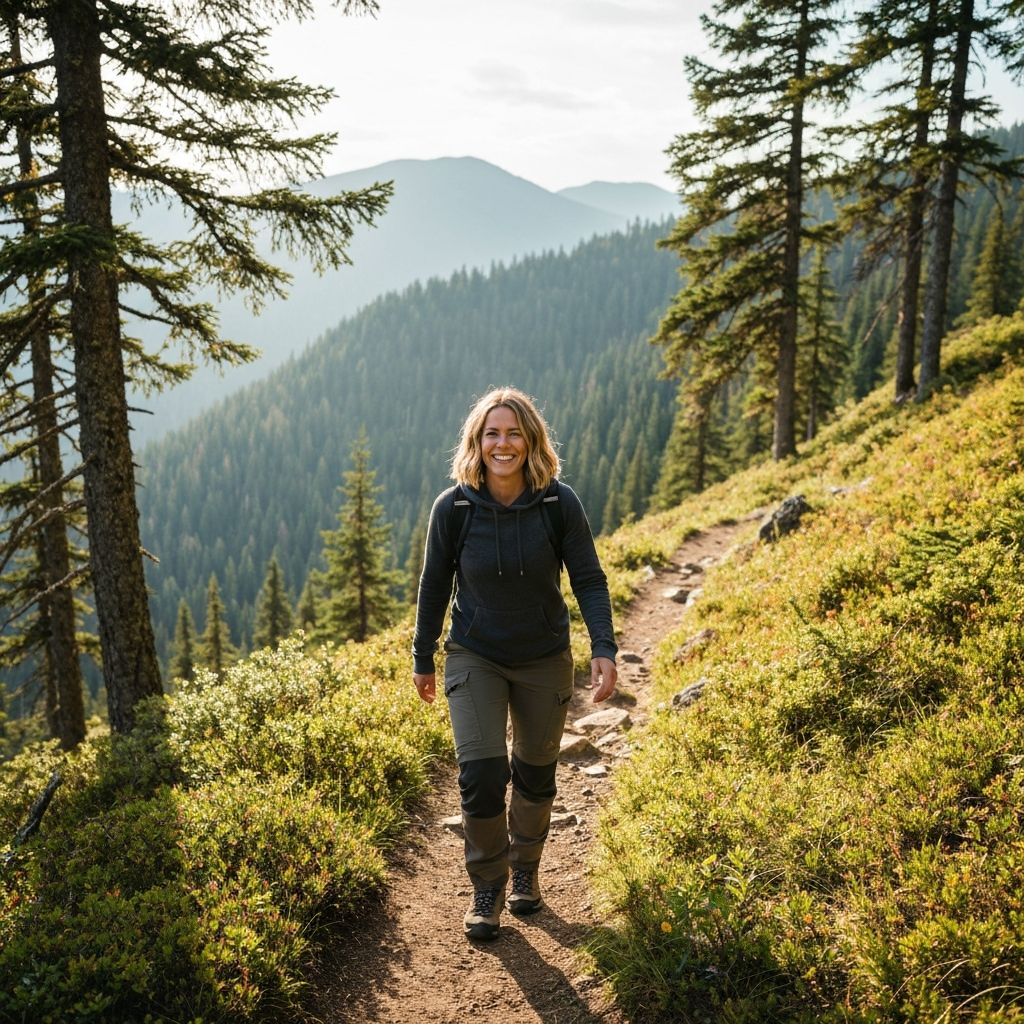
Person engaging in outdoor physical activity in natural landscape

How Activity Levels Influence Nutritional Needs

Individuals who maintain active lifestyles experience unique nutritional requirements. Physical exertion increases demand for various nutrients, including amino acids, vitamins, and minerals that support muscle function, energy production, and recovery.

Natural botanical sources have long been studied for their potential to help address these increased nutritional demands. Traditional formulations often combined multiple plant sources specifically to create comprehensive nutrient profiles suited to active individuals.

Modern nutritional science continues this investigation, examining how specific botanical compounds may support endurance, muscle function, joint mobility, and recovery during periods of increased physical activity. This resource provides educational context for these ongoing scientific inquiries.

Scientific Perspectives on Plant-Based Compounds

Research into Botanical Bioactive Components

Contemporary scientific research employs sophisticated analytical methods to identify and study specific compounds within plant sources. This work has revealed the extraordinary complexity and diversity of chemical compounds present in natural botanicals.

Studies examine how various plant-derived compounds interact with human physiology, how they are absorbed and metabolized, and what mechanisms might explain their potential health-supporting properties. This research spans multiple disciplines: biochemistry, nutrition science, pharmacology, and physiology.

Understanding plant bioactive compounds at the molecular level helps explain traditional use patterns and informs evidence-based discussions about their potential roles in supporting vitality, joint health, and recovery in individuals pursuing active lifestyles.

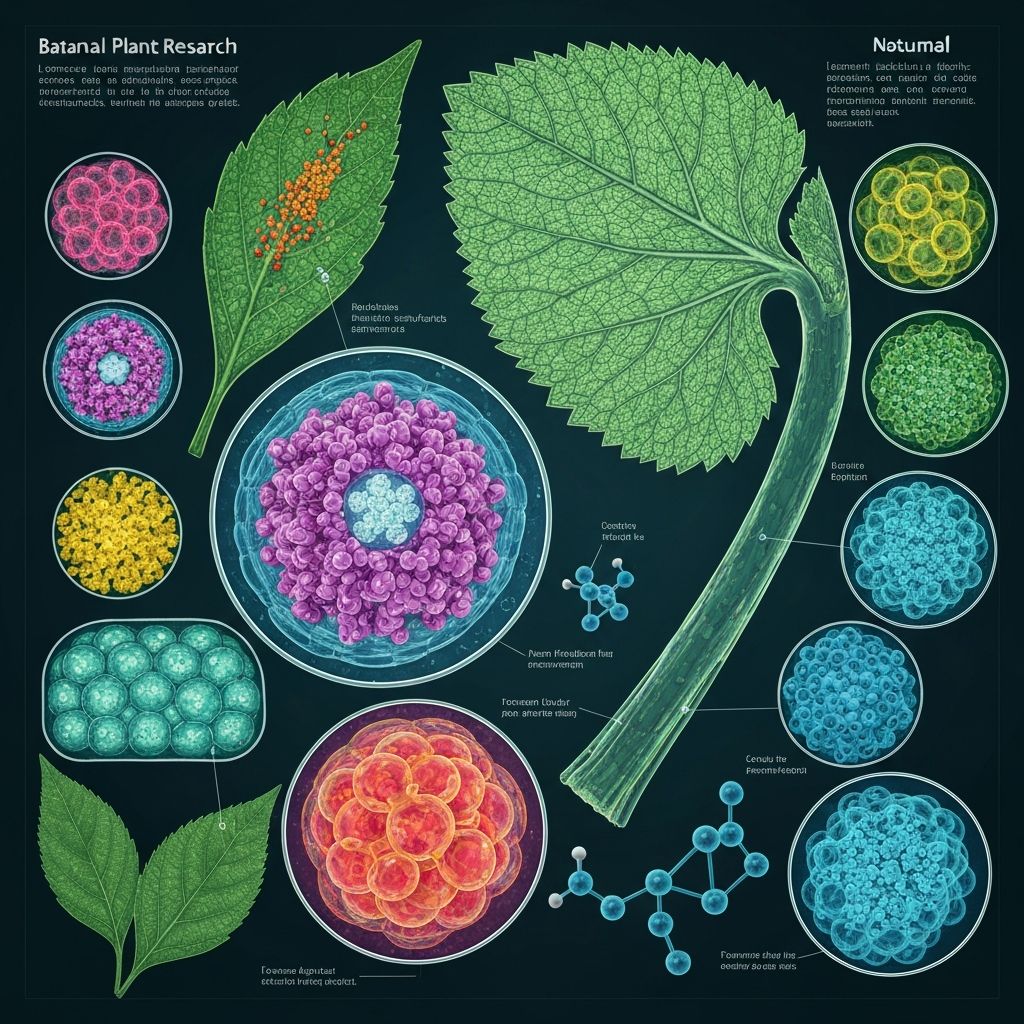
Detailed botanical structure and plant compound visualization

Natural Ingredients from Wild Botanical Sources

The following botanical ingredients represent significant subjects of scientific study and educational interest. Each carries distinct chemical profiles and has been traditionally incorporated into wellness practices across different cultures:

Key Botanical Categories

  • Root Systems: Often contain concentrated compounds supporting foundational vitality
  • Leaf Botanicals: Rich in vitamins and minerals essential for active pursuits
  • Seed Elements: Provide amino acids and proteins supporting muscle function
  • Berry Sources: Contain antioxidants and bioflavonoids relevant to recovery
  • Alpine Herbs: Unique compounds from specific alpine microenvironments
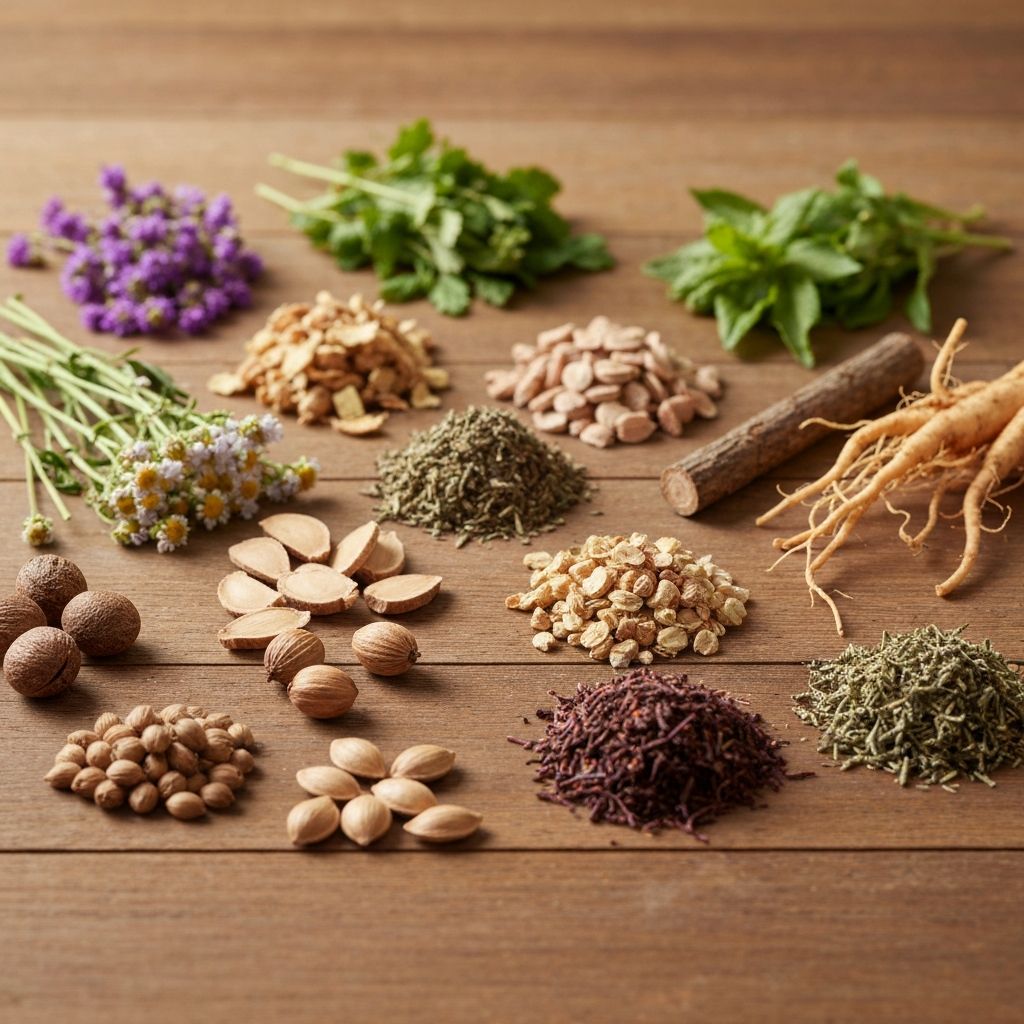
Variety of natural botanical ingredients and plant materials

Educational Information Notice

This website provides educational and informational content only. It is not a medical resource, medical service, or healthcare provider. All materials presented are for general informational purposes and should not be interpreted as medical advice, diagnosis, or treatment recommendations. Individual health decisions should always be made in consultation with qualified healthcare professionals. Research into natural botanical compounds continues to evolve, and scientific understanding may change as new evidence emerges.